
Top Waterproofing Products for Long-Lasting Protection
Discover the leading waterproofing solutions designed to safeguard your property from moisture and water damage effectively.
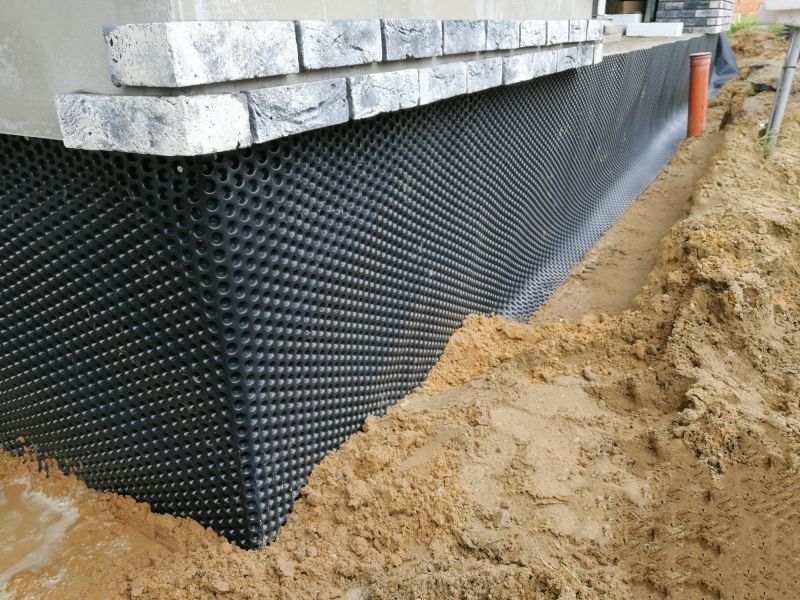 Waterproofing products are essential for protecting structures from water intrusion, which can cause damage, deterioration, and safety concerns over time. Whether addressing basement leaks, roof vulnerabilities, or foundation sealing, choosing the right waterproofing solutions is crucial for durability and peace of mind. The market offers a diverse array of products designed for various surfaces and conditions, including liquid coatings, sealants, membranes, and tapes. Proper application and selection tailored to specific needs can significantly extend the lifespan of buildings and structures.
Types of Products For Waterproofings
Liquid Waterproofing Membranes
Fluid-applied membranes that form seamless barriers on various surfaces, ideal for roofs and foundations.
Bituminous Coatings
Asphalt-based coatings suitable for roofing and below-grade waterproofing, known for their durability.
Rubberized Sealants
Flexible sealants designed to fill gaps and cracks, providing water-resistant seals on joints and seams.
Polyurethane Coatings
High-performance coatings that offer excellent elasticity and adhesion for waterproofing surfaces.
Waterproofing Tapes
Self-adhesive tapes used for quick sealing of cracks and joints in various structures.
Cementitious Waterproofing
Pre-mixed cement-based products suitable for basement walls and other concrete surfaces.
Sheet Membranes
Pre-formed sheets made from rubber or plastic, often used for foundation and roof waterproofing.
Spray-On Coatings
Sprayed liquid layers that conform to surface contours, ideal for complex or irregular areas.
Crystalline Waterproofing
Chemical treatments that penetrate concrete to form a waterproof barrier from within.
Sealant Caulks
Flexible compounds used to seal around windows, doors, and other penetrations.
Hydrophobic Paints
Paints that repel water, suitable for exterior walls and surfaces exposed to moisture.
Foundation Waterproofing Membranes
Specialized membranes designed to prevent water seepage into basements and foundations.
Waterproofing Admixtures
Additives mixed into concrete or mortar to enhance water resistance.
Drainage Boards
Protective layers that facilitate water drainage away from structures, reducing hydrostatic pressure.
Waterproofing Foams
Expanding foam products used to fill gaps and prevent water infiltration in hard-to-reach areas.
Popular Choices
Widely used for their versatility and seamless application, suitable for multiple surfaces.
Commonly selected for their proven durability in roofing and foundation projects.
Popular for sealing joints and cracks due to their flexibility and adherence.
Chosen for their elasticity and strong adhesion properties in demanding environments.
Preferred for quick repairs and sealing applications on various surfaces.
Favored for basement and below-grade applications because of ease of use and effectiveness.
Trusted for foundational waterproofing, especially in new construction projects.
Popular for complex surfaces and irregular shapes requiring conformable waterproof layers.
Selected for internal concrete waterproofing due to its chemical bonding and durability.
Frequently used for sealing around windows, doors, and penetrations to prevent leaks.
Applied on exterior walls to provide water-repelling surfaces with minimal maintenance.
Popular for basement waterproofing to prevent water seepage and structural damage.
Integrated into concrete mixes to improve water resistance from the outset.
In Flint, Michigan, where seasonal weather fluctuations and moisture levels can impact building integrity, having reliable waterproofing measures is especially important. From residential to commercial projects, understanding the differences between product types and their intended uses can help property owners and contractors make informed decisions. It is recommended to consider the surface material, exposure conditions, and ease of application when selecting waterproofing products.
Many waterproofing solutions are formulated to provide flexible, long-lasting barriers against water penetration. They can be applied to foundations, roofs, walls, and crawl spaces, often with options for both DIY projects and professional installations. Additionally, some products are designed to resist UV rays, mold, and mildew, ensuring ongoing protection in challenging environments. Regular maintenance and inspection can further enhance the effectiveness of waterproofing measures, helping to prevent costly repairs in the future.
Key Buying Considerations
- Identify the specific area or surface that needs waterproofing, such as roofs, foundations, or walls.
- Consider the environmental exposure, including UV rays, temperature fluctuations, and moisture levels.
- Choose a product compatible with the surface material, whether concrete, wood, or metal.
- Evaluate the flexibility and elasticity of the waterproofing material to accommodate surface movements.
- Determine whether a liquid, sheet, or spray application best suits your project scope and complexity.
- Check for ease of application, especially if planning a DIY project, and consider necessary tools or professional assistance.
- Assess the longevity and durability of the product, including resistance to mold, mildew, and UV degradation.
- Consider the drying or curing time required before the surface can be exposed to water or foot traffic.
- Review the product’s compatibility with existing waterproofing systems or coatings.
- Ensure the product meets relevant safety standards and manufacturer guidelines.
- Factor in budget constraints while balancing quality and performance expectations.
- Look for products with clear instructions and available technical support if needed.
- Determine if additional surface preparation, such as cleaning or priming, is necessary prior to application.
- Consider whether the product is suitable for both interior and exterior applications, depending on your needs.
- Review customer feedback and ratings to gauge real-world performance and satisfaction.